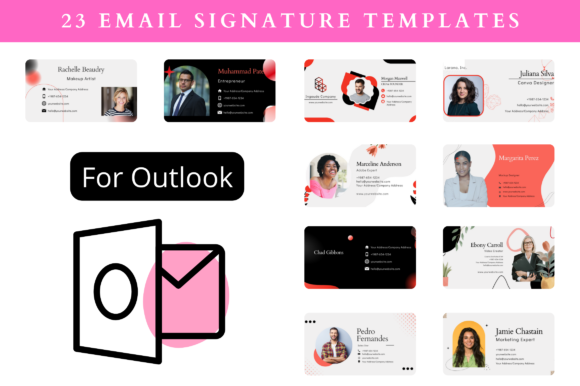
23 Premium Email Signatures for Outlook Review
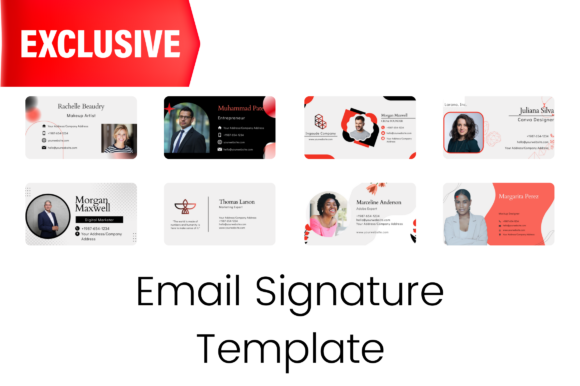
When I first opened the folder for 23 Premium Email Signatures for Outlook, my immediate reaction was one of confusion mixed with curiosity. As a designer who spends her days translating digital files into tangible stitched textures, I expected to see vector paths or digitized stitch data. Instead, what landed on my screen was a collection of high-quality graphic templates designed specifically for Canva. This distinction is crucial because it changes how we approach these assets entirely. We are not looking at a standard embroidery file here; we are looking at a source material that requires a creative bridge before it can ever touch a needle.
The mood created by this collection is undeniably professional and polished. The layouts are clean, the typography is legible, and the visual personality screams "corporate ready." However, for an embroidery product reviewer, the question isn't just about how it looks on a monitor, but how it translates to thread. If you are a small business owner, an Etsy seller, or a crafter planning to use these designs for real-world projects like custom apparel or boutique branding, you need to understand the journey from digital signature to finished textile.
Bridging the Digital Gap for Real Embroidery Projects
The primary scenario where I envision using 23 Premium Email Signatures for Outlook involves a client who wants a cohesive brand identity across both their digital presence and their physical merchandise. Imagine a boutique owner who orders a batch of embroidered tote bags and aprons. They want the logo and contact info on the bag to match exactly what appears in their email signature. In this case, the process starts with selecting a template from the 23 options in Canva, customizing the text and colors to fit the brand, and then converting that graphic into an embroidery design.
This workflow works exceptionally well for custom apparel like sweatshirts and t-shirts where the design needs to be prominent yet sophisticated. It also fits perfectly for personalized gifts such as baby clothes or nursery decor, where a parent might want a specific name and contact detail stitched onto a onesie or a blanket. The versatility of having 23 different styles means there is likely a layout that matches the aesthetic of any craft fair product or holiday gift you are preparing. Whether you are making embroidered patches for caps or creating decorative pillow covers, the initial graphic provides a solid foundation.
However, the transition from a Canva template to a machine embroidery design is not automatic. The original product description highlights that these are "High Quality Easy" templates for email signatures, which implies they are optimized for screen readability, not fabric density. When converting these graphics, you must pay close attention to stitch density. A thin line that looks crisp on a laptop screen might become a blob of thread on a textured fabric if the fill stitch is too heavy. Conversely, a dense area might pucker if the stabilizer isn't robust enough.
Navigating Fabric Challenges and Design Limitations
Not every surface is suitable for this type of detailed design. While 23 Premium Email Signatures for Outlook offers great visual appeal, certain materials require caution. If you are working with thin fabrics or stretchy knits, the intricate details often found in email signatures—such as small lines connecting social media icons or fine serif lettering—can easily distort. The hoop size becomes a critical factor here; trying to stitch a complex signature layout on a curved surface like a cap can lead to misalignment unless the design is significantly simplified.
I would advise against using these designs directly on dark fabrics without careful consideration of the underlay and thread colors. The contrast required for an email signature to remain readable on a white background might disappear once stitched onto navy blue or black cotton. Additionally, products that need frequent washing, like kitchen towels or work aprons, demand a design that can withstand abrasion. If the original graphic relies heavily on tiny details or delicate satin stitches, those elements may wear down over time, reducing the value of the finished product.
There are also specific areas where the design should be used carefully. Small hoop sizes limit the amount of space available for text and graphics. If your embroidery project involves a tiny patch or a mini-sticker style item, the full complexity of an email signature layout might get lost. Similarly, detailed corners and dense stitch areas can cause issues on layered garments. Before committing to a large production run for your craft business, you must test the design on scrap fabric first to ensure the thread colors pop and the fabric texture doesn't swallow the design.
Impact on Visual Appeal and Brand Trust
When executed correctly, using these templates can elevate the perceived value of your handmade products. There is a psychological link between a professional-looking digital signature and a high-quality embroidered item. Customers browsing your Etsy listings or visiting your booth at a craft fair will notice the consistency. A finished product that features a clean, well-structured design signals attention to detail and builds buyer engagement. It suggests that the maker cares about the entire brand experience, not just the stitching itself.
This consistency is vital for commercial embroidery projects where brand recognition is key. If a client requests a specific look for their company swag, providing a design that mirrors their digital assets creates a seamless brand narrative. For holiday embroidery gifts, the ability to customize names and messages within these templates adds a personal touch that mass-produced items lack. The result is a handmade product that feels exclusive and thoughtful, increasing its giftability and allowing you to command a higher price point.
Yet, this power comes with responsibility. You must ensure that the conversion process maintains the integrity of the original design. If the final embroidery looks blurry or the text is illegible due to poor digitization, it undermines the professionalism you are trying to achieve. Always inspect small details and test the design in black and white mockups to check for clarity. Comparing light and dark fabric backgrounds during the testing phase is essential to ensure the design remains effective regardless of the base material.
Practical Designer Notes for Implementation
For those of you planning to integrate 23 Premium Email Signatures for Outlook into your workflow, here are some non-negotiable steps to ensure success. First, confirm licensing terms before selling finished items or digital products derived from these templates. Just because a graphic is editable in Canva does not automatically grant commercial rights for the resulting embroidery files.
Secondly, focus on the technical execution. Review stitch density and confirm the appropriate stabilizer for your chosen fabric. Use proper stabilizer to prevent puckering, especially when working with running stitch or fill stitch variations of the signature layout. Check whether the design works for both personal and commercial projects by verifying the file formats and ensuring compatibility with your embroidery machine. If the original product does not specify exact stitch counts or file formats, you must verify these details yourself before starting production.
Finally, remember that while these are excellent design assets for inspiration, they are not plug-and-play embroidery files. Treat them as a starting point for your creativity. Whether you are creating a tote bag design, a sweatshirt embroidery piece, or a baby embroidery outfit, the extra step of adapting the graphic ensures the best possible outcome. By taking the time to refine the design, you transform a simple email signature template into a premium embroidery project that stands out in a crowded market.
In conclusion, 23 Premium Email Signatures for Outlook offers a valuable resource for designers looking to unify their digital and physical brands. With careful planning and a keen eye for the nuances of fabric and thread, these templates can serve as the backbone for a wide range of Graphics and Graphic Templates applications. From small shop products to large-scale commercial embroidery, the potential is vast, provided you respect the medium of embroidery and adapt the design accordingly.