Editable Buyer Questionnaire Checklist Review
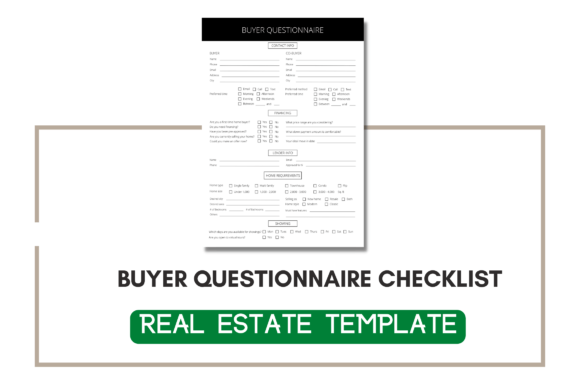
I have spent years stitching everything from intricate floral motifs on delicate linens to bold lettering on heavy canvas. When I first saw the Editable Buyer Questionnaire Checklist, my initial reaction wasn't about the stitch count or the file format, but rather the practical utility it brings to a designer's workflow. As an experienced reviewer who tests every design asset before recommending it for commercial use, I approached this template with a critical eye. It falls under the Graphic Templates and Graphics category, which often means it is intended for digital use, yet its potential application in physical embroidery projects is surprisingly robust.
The first impression of the Editable Buyer Questionnaire Checklist is one of clean organization. In a world where embroidery designs can sometimes be overly ornate or cluttered, this design stands out for its structured layout. The visual personality feels professional and functional, making it an ideal candidate for business-oriented projects. It doesn't scream "artistic masterpiece" in the traditional sense; instead, it whispers "efficiency." This mood fits perfectly into the realm of custom apparel and boutique branding where clarity is just as important as aesthetics. For a crafter looking to elevate their handmade product presentation, this design offers a sophisticated touch that says you take your craft seriously.
Let me walk you through a real-life scenario where this design shines. Imagine you are preparing a batch of custom embroidered tote bags for a local craft fair or an Etsy shop. You want to include a small, personalized tag on each bag that lists the care instructions or perhaps a checklist of services offered by your studio. Instead of printing a paper tag that might get lost or look cheap, you decide to integrate the Editable Buyer Questionnaire Checklist directly into the fabric. Because the template is editable in Canva, you can tailor the text to match your specific brand voice before sending it to your embroidery machine. The result is a finished product that feels cohesive and high-end, transforming a simple tote bag into a branded experience.
This versatility extends far beyond tote bags. I envision this design performing exceptionally well on baby clothes, where parents appreciate clear, legible information stitched right into the garment. A small checklist on a onesie or a nursery blanket could serve as a gentle reminder for new parents, adding a layer of thoughtfulness to the gift. Similarly, for holiday embroidery projects, such as personalized aprons or kitchen towels, this design provides a perfect spot to list recipes, serving suggestions, or festive checklists. The structured nature of the checklist ensures that even when stitched onto textured fabrics like tea towels or thick cotton blends, the message remains readable and impactful.
However, not every project is a suitable fit for the Editable Buyer Questionnaire Checklist. As a designer, I must emphasize where caution is required. If you are working with small hoop sizes, the density of the text and lines might become too cramped, leading to a muddy appearance once stitched. Textured fabrics, such as bouclé or heavy fleece, can obscure fine details, so testing on scrap fabric is non-negotiable. Thin or stretchy fabrics present another challenge; without proper stabilizer, the tension required to hold the checklist together could cause puckering, ruining the crisp lines that make this design effective. Furthermore, dark fabrics require careful consideration of thread colors. While white thread pops beautifully on black, it may lack the necessary contrast if the background is navy or charcoal, potentially compromising the visual appeal.
The impact of using the Editable Buyer Questionnaire Checklist on customer trust cannot be overstated. In the world of handmade products, presentation is key. A professionally embroidered checklist on a sweatshirt or a cap signals attention to detail. It elevates the perceived value of the item, suggesting that the creator has put significant effort into the final output. For an Etsy seller or a small shop owner, this level of polish helps differentiate your merchandise from mass-produced items. When customers receive a personalized gift or a custom piece of apparel that includes a thoughtful, stitched-in checklist, they feel a stronger connection to the maker. This recognition fosters brand consistency and encourages repeat business.
From a technical standpoint, the execution of this design relies heavily on the choice of stitches. Depending on how the template is set up, you might see a combination of satin stitch for borders and fill stitch for background elements, while running stitch could be used for the finer lines of the checklist itself. The stitch density needs to be balanced; too dense, and the fabric becomes stiff, which is undesirable for wearable items like caps or pillow covers. Too loose, and the design lacks definition. When evaluating the machine embroidery design aspect, ensure that the file supports the specific capabilities of your embroidery machine. If you are planning to use this for commercial embroidery projects, verify the licensing terms to ensure you are allowed to sell the finished goods.
Before committing to a full production run, there are several practical notes every designer should follow. First, always test the design on scrap fabric that matches the texture and weight of your final project. This step reveals issues with thread color contrast and stitch density that might not be visible in a digital mockup. Check whether the design works for both personal and commercial projects, as some templates have restrictions. Inspect small details closely; what looks good on a screen might get lost in the needle's path on a curved surface like a hat. Testing the design in black and white mockups can also help you visualize how the contrast will translate to different fabric backgrounds.
Using the correct stabilizer is crucial for maintaining the integrity of the editable buyer questionnaire checklist. On stretchy fabrics, a cut-away stabilizer provides the necessary support to prevent distortion during and after stitching. For applique designs, which this checklist could easily be adapted into, ensure that the base layer is secure before adding the decorative elements. Comparing light and dark fabric backgrounds early in the process will save you time and materials. If you are creating an embroidered patch, consider the edge finish carefully to ensure durability through frequent washing.
In conclusion, the Editable Buyer Questionnaire Checklist is more than just a digital file; it is a strategic tool for creative entrepreneurs. It bridges the gap between digital planning and physical execution, offering a seamless way to add professional touches to any handmade product. Whether you are designing for a boutique, a holiday market, or a personal gift, this design asset offers the flexibility and clarity needed to stand out. By following these practical guidelines and respecting the limitations of fabric and machine capabilities, you can turn this graphic template into a stunning finished product that delights your clients and elevates your brand.