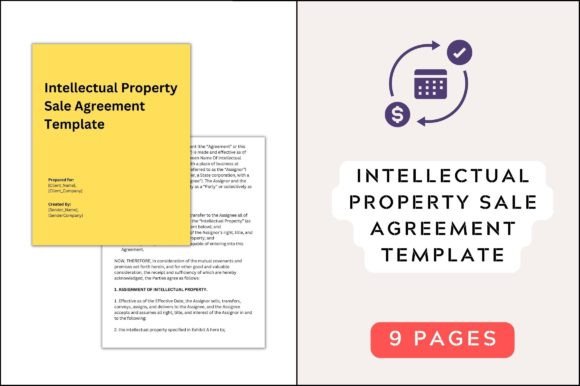
Intellectual Property Ownership Contract Graphics for Branding
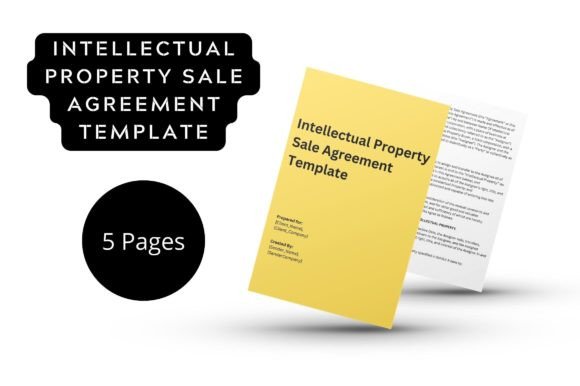
As a brand designer who has spent years refining visual identities for creative entrepreneurs, I know that the difference between a successful campaign and a forgotten one often lies in the details. Recently, I had the opportunity to review a specific graphic design asset titled Intellectual Property Ownership Contract. At first glance, it presents itself as an Editable Intellectual Property ownership Contract Printable For Everyone, but looking deeper, it is actually a versatile tool for anyone needing to communicate authority and clarity in their marketing materials. This review focuses on how this digital product fits into the workflow of modern content creators, social media managers, and small business owners who need professional visuals without the clutter.
The First Impression: Setting the Tone for Your Campaign
When you open the files for this Graphic Template, the immediate mood is one of structured professionalism. In the world of brand identity, the tone you set before a customer even reads your copy is crucial. This asset avoids the chaotic or overly decorative styles that can make a brand look amateurish. Instead, it offers a clean, premium aesthetic that suggests reliability and trust. It feels perfectly suited for lifestyle content, editorial graphics, and commercial marketing materials where clarity is king.
The emotional tone it brings is serious yet approachable. It does not scream for attention with loud colors; rather, it whispers confidence. This makes it an excellent choice for handmade products, event promotions, or any scenario where you need to establish credibility quickly. Whether you are refreshing social media visuals or building a comprehensive content kit, starting with a design that exudes stability helps anchor your audience's perception. It transforms a simple legal document into a statement of value, ensuring that your message about ownership and rights is received with the gravity it deserves.
Real-World Application: A Product Launch Scenario
To understand the true value of this asset, imagine a real marketing project: a small business owner launching a new line of digital planners. They are promoting a seasonal offer and need to create a cohesive visual strategy across Instagram, Pinterest, and their email newsletter. The challenge is to present the terms of use clearly while maintaining a high-end look that justifies the price point. This is where the Intellectual Property Ownership Contract graphic template shines.
In this workflow, the asset serves as a foundational element for the campaign headers and packaging inserts. Instead of pasting raw text onto a flyer, the designer uses the pre-formatted layout to create a branded section that explains the rules of usage. This elevates the entire presentation. It turns a standard disclaimer into a polished part of the brand experience. By integrating this design bundle into the launch, the business ensures that every touchpoint, from the initial ad to the final download page, maintains a consistent visual language. It supports the goal of creating memorable campaign visuals that feel intentional and well-crafted.
Versatility Across Marketing Channels
The performance of this Graphic Templates asset extends far beyond a single use case. Its design allows it to adapt seamlessly to various marketing and branding situations. For social media graphics, it works beautifully as an Instagram post explaining licensing or a Facebook ad clarifying what buyers receive. When used for Pinterest pins, the clear hierarchy draws the eye immediately to the key information, preventing the pin from looking like a wall of text.
For web design and email banners, the asset provides a professional backdrop that anchors the content. It is equally effective in editorial design for lead magnets or media kits, where establishing trust is paramount. If you are creating a Canva template for clients, including this asset as a standard page for terms of service adds immense value. It also functions well as a printable promotion for physical events or as a decorative brand element on merchandise and stickers. Essentially, it acts as a bridge between complex legal concepts and accessible marketing visuals.
Strategic Benefits for Brand Growth
Why should you invest time in incorporating this asset into your strategy? The primary benefit is a stronger first impression. In a crowded marketplace, a messy design signals a lack of attention to detail, whereas a clean layout signals competence. This asset directly supports visual hierarchy, guiding the viewer's eye to the most important parts of the message. This leads to better product presentation and improved audience trust.
Furthermore, using a consistent, professional design fosters stronger recognition. When your audience sees the same high-quality style across your blog graphics, website headers, and digital ads, they begin to associate that quality with your brand name. This emotional connection is vital for small business branding. It moves the conversation from "Is this person legitimate?" to "This person knows what they are doing." Ultimately, these factors contribute to better engagement and more memorable campaign visuals, which are the hallmarks of successful content marketing.
Where This Asset Excels
This design element finds its sweet spot in hero graphics and campaign headers where you need to make a bold statement about your policies. It is ideal for product launch visuals that require a balance of excitement and seriousness. As a component of branded templates, it ensures that every document your team creates looks uniform. It works exceptionally well as social media covers for long-form posts, packaging accents that inform customers about usage rights, and content bundles that include multiple deliverables. Even as a decorative brand element in editorial layouts, it adds a layer of sophistication that plain text cannot achieve.
Areas Requiring Caution
However, no single asset is perfect for every situation. You must exercise care when using this Intellectual Property Ownership Contract graphic in formal corporate branding that demands a strictly rigid structure. It may not be suitable for dense information layouts where space is extremely limited. On small mobile graphics, the details might become too fine to read if not scaled correctly. Additionally, avoid placing it on low-contrast backgrounds, as this will kill the readability of the text. If your brand is overly minimalistic, ensure this asset does not clash with your sparse aesthetic. Finally, do not use it in text-heavy ads where the main message competes with the design; let the asset support the message, not distract from it.
Practical Notes for the Brand Designer
Before deploying this asset in a live campaign, there are several technical steps to take. First, test it against your existing brand color palette. Does it harmonize, or does it clash? Check its usage in black and white to ensure the contrast holds up in print or monochrome contexts. Place the file inside real campaign mockups to see how it interacts with other elements on the page.
Preview it on mobile screens to confirm that the text remains legible at smaller sizes. Compare it against competitor visuals to see how it stands out in your niche. Pay close attention to typography; review how it pairs with your chosen serif font, sans serif font, script font, handwritten font, or display font styles. Proper spacing and balance are non-negotiable for a professional finish. Most importantly, always review the commercial license before using it in paid campaigns, client work, or business branding. Understanding the commercial license ensures you stay compliant while leveraging the power of this modern design asset.
By treating the Intellectual Property Ownership Contract not just as a legal form but as a strategic creative design element, you elevate your entire operation. It is a testament to the fact that good professional branding is about consistency, clarity, and respect for your audience. Whether you are a digital seller, an online coach, or a product creator, integrating this asset into your toolkit is a smart move for anyone serious about building a reputable brand.