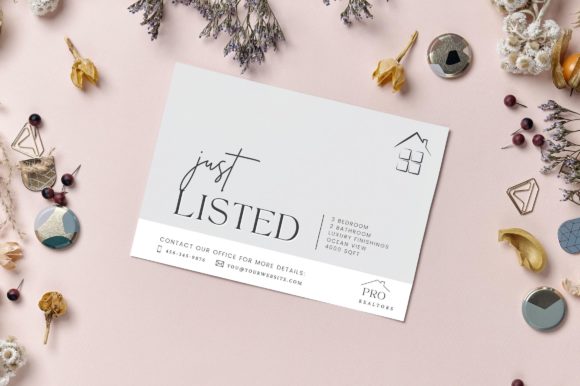
Real Estate Buyer Closing Checklist
As a designer who has spent years stitching everything from delicate baby onesies to heavy-duty workwear, I approach every new file with a mix of excitement and skepticism. Recently, I came across the Real Estate Buyer Closing Checklist, a product categorized under Print Templates and Graphics. On paper, it sounds like a standard digital asset for an office environment. However, my job is to look past the description and ask: How does this translate when the needle hits the fabric? Can this design survive the tension of a sewing machine and still look professional on a finished product?
The first impression of the Real Estate Buyer Closing Checklist layout is surprisingly clean. In the world of embroidery, clutter is the enemy. A checklist design can easily become a visual mess if the text density is too high or the hierarchy is unclear. This template avoids that trap. The structure feels organized and authoritative, which is exactly what you want when you are trying to convey trust and professionalism in a handmade item. It doesn't scream "craft project"; instead, it whispers "premium service." That distinction matters immensely when you are creating custom apparel or boutique merchandise.
From Digital File to Stitched Reality
Let's imagine a real-world scenario. I am preparing for a local craft fair where I will be selling personalized gifts for newlyweds and professionals. My goal is to create a line of custom embroidered tote bags specifically for real estate agents to gift their clients during the closing process. The Real Estate Buyer Closing Checklist is the perfect candidate for this. Instead of a generic "Welcome Home" message, this design offers practical value wrapped in a stylish format.
When I visualize this stitched onto a sturdy canvas tote bag, the impact changes. The design transforms from a simple list into a functional accessory. Imagine a client receiving a high-quality bag with this checklist embroidered in navy blue thread on a cream background. It signals that the agent cares about the details. The layout allows for clear readability even after the fabric stretches slightly around the hoop. It fits perfectly as a tote bag design because the rectangular nature of a checklist aligns well with the flat surface area of a bag front.
However, not every application is created equal. If I were to try to stitch this onto a curved baseball cap, I would hesitate. The tight corners and small lettering required for a detailed checklist often suffer on curved surfaces unless the design is specifically digitized for caps. The hoop size becomes a critical factor here. A large design might overwhelm a small patch, while a tiny version could lose its legibility entirely. For a small shop product like an embroidered patch, the detail level needs to be scrutinized. If the lines are too thin, they might fill in with thread, turning the checklist into a solid block of color rather than a readable document.
Navigating Fabric and Texture Challenges
One of the most common pitfalls in embroidery is ignoring the interaction between the thread and the fabric texture. The Real Estate Buyer Closing Checklist relies heavily on crisp lines and distinct text blocks. When working with textured fabrics like waffle knit towels or fuzzy fleece, the definition of fine details can get lost. You need to ensure that the stitch density is appropriate for the material. If the design is too dense, it will cause puckering, especially on thin or stretchy fabrics like t-shirts or jersey blends.
I always recommend testing the design on scrap fabric before committing to your final product. This step is non-negotiable. You need to check how the stabilizer interacts with the base material. For a kitchen towel, a cut-away stabilizer might provide the necessary support to keep the text flat. Conversely, for a lightweight apron, a tear-away might suffice but requires careful handling. The choice of thread colors also plays a massive role in visual appeal. High contrast is key; a light gray thread on a white shirt will vanish, whereas a bold black or deep charcoal will make the checklist pop.
There are specific areas where this design should be used with caution. Small hoop sizes are risky for any text-heavy design. If the font size in the original digital embroidery file is too small, the machine might struggle to pick up the stitches, resulting in gaps. Similarly, dense stitch areas can create a stiff feel on garments that need to drape softly, such as a sweatshirt or a baby item. While the design is premium, the physical result depends entirely on the execution. If the satin stitch is too wide, it might distort the shape of the letters, making the checklist harder to read.
Impact on Brand and Customer Trust
In the realm of commercial embroidery, the quality of the design directly influences customer perception. A sloppy stitch job or a design that looks pixelated when enlarged can undermine the entire brand. The Real Estate Buyer Closing Checklist, when executed correctly, elevates the perceived value of the finished product. It turns a simple tote or pillow cover into a thoughtful, professional tool.
For Etsy sellers and creative entrepreneurs, this design offers a unique angle. It moves beyond the typical decorative motifs and offers utility. Customers are increasingly looking for items that serve a purpose. An embroidered personalized gift featuring a closing checklist shows that the giver understands the stress and excitement of buying a home. It adds a layer of emotional connection that a generic logo cannot achieve. This kind of thoughtful design asset can significantly boost engagement and sales in a competitive market.
Furthermore, the versatility of this design allows for various applications. It works beautifully as a holiday embroidery piece for end-of-year gifts to colleagues. It can be adapted for nursery decor, perhaps by simplifying the text to focus on the "New Home" aspect while keeping the checklist aesthetic. The ability to use these templates in printable mockups before stitching allows designers to preview the final look, ensuring that the finished product meets expectations.
Practical Notes for the Embroidery Designer
Before you hit the start button on your machine, there are several technical checks you must perform. First, review the file formats provided. Ensure your machine is compatible with the specific embroidery file type. If the design includes complex elements, verify that the satin stitch and fill stitch settings are optimized for your specific thread weight.
Always inspect small details closely. Zoom in on the digital preview to see if any lines are too close together. If they are, consider adjusting the spacing in your digitizing software or selecting a different font style within the template. Testing in black and white mockups is also a smart move; it helps you visualize the contrast without the distraction of color. Compare how the design looks against both light and dark fabric backgrounds to ensure it remains legible in all scenarios.
Licensing is another crucial consideration. Before selling finished items made with this design, confirm whether the license allows for commercial use. Some graphics are intended for personal projects only. If you plan to sell these as part of your crafter business inventory, you need explicit permission to do so. Additionally, check if the design works for both personal and commercial projects to avoid any legal hurdles later.
Ultimately, the Real Estate Buyer Closing Checklist is more than just a list; it is a design opportunity. It bridges the gap between digital organization and tangible craftsmanship. By paying attention to fabric texture, hoop size, and stitch density, you can transform a simple template into a standout piece of custom apparel or a cherished handmade product. Whether you are decorating a sweatshirt for a realtor friend or creating a line of boutique products for your online store, this design provides a solid foundation for professional results.
Remember, the success of any embroidery project lies in the preparation. Take the time to test, adjust, and refine. When you combine a well-structured design like this with skilled execution, the result is a product that not only looks beautiful but also resonates with the recipient on a deeper level. That is the true mark of a successful design in the hands of a maker.