Digital Wedding Invitation Card Review
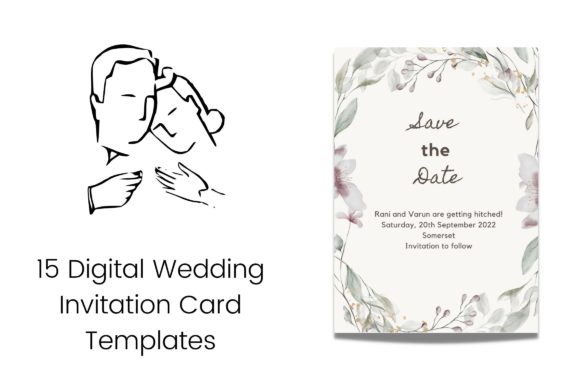
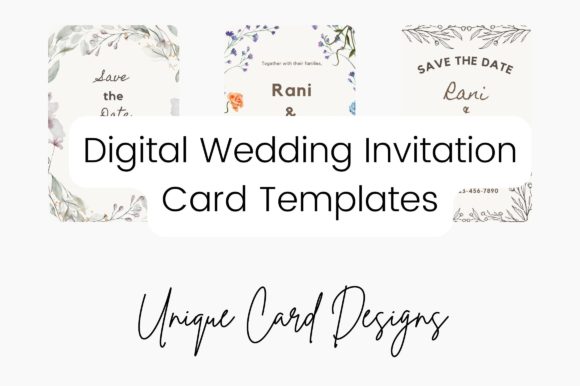
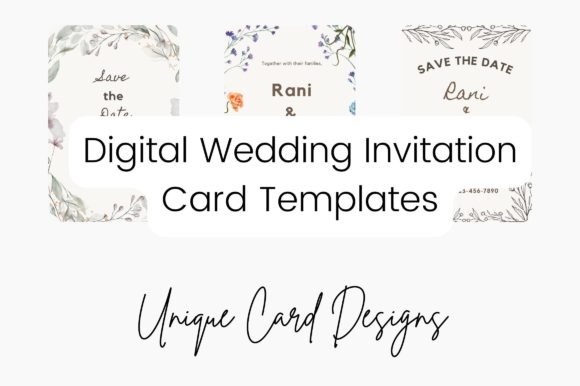
I have spent years reviewing machine embroidery designs and testing them on everything from delicate baby onesies to heavy-duty work aprons. When a product lands in my inbox, I don't just look at the preview image; I immediately start visualizing how it will stitch out on real fabric. Today, I am evaluating the Digital Wedding Invitation Card. At first glance, this falls under the category of Graphic Templates, but for those of us who turn digital assets into tactile handmade products, the question is always: does this translate well from a screen to a needle?
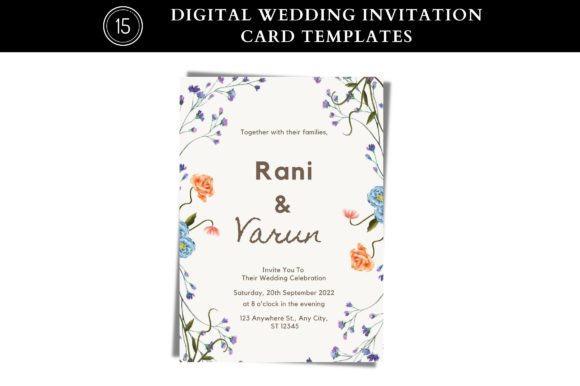
The mood of the Digital Wedding Invitation Card is undeniably elegant and formal. It carries a sense of occasion that feels right at home in the world of bridal events and high-end gift giving. The layout suggests a clean, structured approach, which is exactly what you want when moving away from the chaotic nature of freehand stitching. However, as an experienced designer, my first instinct is to analyze the detail level. Can these lines hold up under the tension of a satin stitch? Does the theme feel too generic for a boutique client, or does it offer enough personality to stand out on Etsy?
From Screen to Stitch: A Real-World Scenario
Let me take you through a specific project where I decided to test the Digital Wedding Invitation Card before committing to a full production run. I was preparing a custom gift set for a close friend's wedding rehearsal dinner. The plan was to create a matching set of embroidered kitchen towels and a personalized tote bag for the couple.
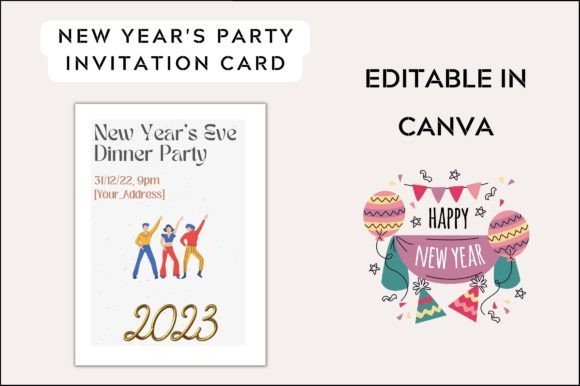
I pulled the design file, intending to use it on a crisp white tea towel. The initial thought was that the invitation style would add a sophisticated touch to the kitchen decor. But then I paused. The design is labeled as editable in Canva, which implies it might be text-heavy or rely heavily on vector-based shapes rather than traditional embroidery curves. If I were to stitch this directly onto a towel, the fine details of the "invitation" aesthetic could get lost in the weave of the cotton.
I adjusted my strategy. Instead of a direct print-to-stitch approach, I used the Digital Wedding Invitation Card as the inspiration for a larger, simplified applique design on the tote bag. This allowed the core message to shine without risking the structural integrity of the thread on a small scale. The result was a piece that felt premium and professional, exactly what a customer expects when they pay a premium price for a personalized gift.
Performance in Embroidery Situations
When we talk about custom apparel, the versatility of this template becomes apparent. Imagine applying this design to a sweatshirt for a bachelorette party weekend. The boldness required for a large garment works well with the invitation theme, turning a simple hoodie into a keepsake. Similarly, for tote bag design, the layout offers a great balance of negative space and focal points.
However, not every application is a winner. For baby embroidery, such as on a bib or a bonnet, caution is key. The intricate lines typical of an invitation card can easily become muddy if the hoop size is too small or if the fabric stretches too much during stitching. In these cases, the design needs to be scaled up significantly to maintain clarity. If you are selling Etsy listings for nursery items, you must ensure the final stitched version doesn't look like a blob of thread from a distance.
The design also shines in the realm of commercial embroidery for corporate clients or event planners. Think of a branded patch for a hotel staff uniform or a decorative accent on a pillow cover for a boutique hotel lobby. The Digital Wedding Invitation Card provides a level of polish that elevates the perceived value of the finished product. It signals to the buyer that attention to detail matters, which builds trust in your brand.
Where to Exercise Caution
While the design is versatile, there are specific scenarios where it requires careful handling. If you are working with textured fabrics like terry cloth or thick denim, the fine lines of the invitation style may not catch the light correctly, making the design appear flat. On stretchy fabric, such as jersey knits used for t-shirts, the density of the stitches could cause puckering if the stabilizer isn't chosen perfectly.
Curved surfaces present another challenge. Attempting to stitch this design on a cap or a hat brim might distort the layout unless the digitization is specifically optimized for curvature. Furthermore, if the design includes tiny lettering or delicate decorative accents, avoid using it on products that need frequent washing. Over time, the friction of laundry can wear down these finer threads, leaving the design looking worn before the customer even realizes it.
Visual Appeal and Product Value
In the world of handmade goods, presentation is everything. The Digital Wedding Invitation Card has a natural ability to enhance the visual appeal of a project. When stitched correctly, it conveys professionalism and care. This is crucial for brand consistency. If you are building a shop around wedding-related crafts, having a cohesive look across your digital product previews and actual merchandise helps customers recognize your style instantly.
It also impacts the giftability of the item. A design that looks like a formal invitation adds a layer of ceremony to the object itself. Whether it is a holiday gift or a wedding gift, the recipient feels they are receiving something special because the design choice reflects the importance of the occasion. This emotional connection drives repeat business and positive reviews.
Practical Designer Notes
Before you download and start stitching, here are some essential steps to ensure success with the Digital Wedding Invitation Card:
- Test on scrap fabric: Never cut into your final material without a test run. Check how the stitch density behaves on the specific fabric type you intend to use.
- Check thread color contrast: Ensure the thread colors you choose provide enough contrast against the background fabric. Low contrast can make the design invisible, especially on light-colored materials.
- Review stitch types: Identify where the design uses satin stitch versus fill stitch or running stitch. Satin stitches on long straight lines can look lumpy if not padded correctly.
- Confirm hoop size: Make sure your machine's hoop can accommodate the design dimensions without cutting off important elements.
- Inspect small details: Zoom in on the digitized file. Are the corners sharp? Is the text legible? If the original graphic has tiny details, they might disappear after stitching.
- Use proper stabilizer: The stability of the fabric is critical. Use a tear-away or cut-away stabilizer appropriate for the weight of your material to prevent distortion.
- Verify licensing: Since this is a graphic template intended for editing, double-check the license terms. Confirm whether you are allowed to sell finished items created with this design or if it is strictly for personal use.
Ultimately, the Digital Wedding Invitation Card is a strong asset for any creative entrepreneur looking to elevate their craft business. It bridges the gap between digital convenience and the warmth of handmade craftsmanship. By understanding its limitations and leveraging its strengths, you can create stunning finished products that your customers will cherish. Just remember to always prioritize quality control and thoughtful execution over speed.