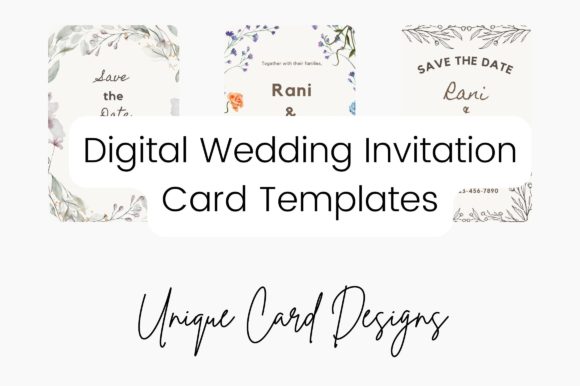
Premium Wedding Invitation Templates Review
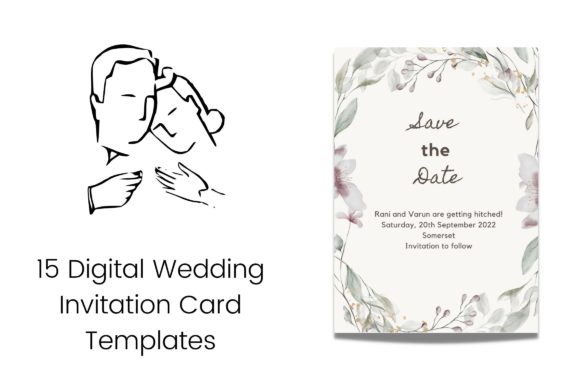
When I first opened the Premium Wedding Invitation Templates, my immediate reaction wasn't about the digital file itself, but rather how it translates to thread. As a designer who spends hours testing stitches on everything from delicate silk to heavy canvas, I look for more than just a pretty image. I need to know if a design will hold up under tension, if the lettering remains legible after washing, and if it elevates a handmade product enough to justify a higher price point. This collection of Graphic Templates promises versatility, but does it deliver when moved from a screen to a hoop?
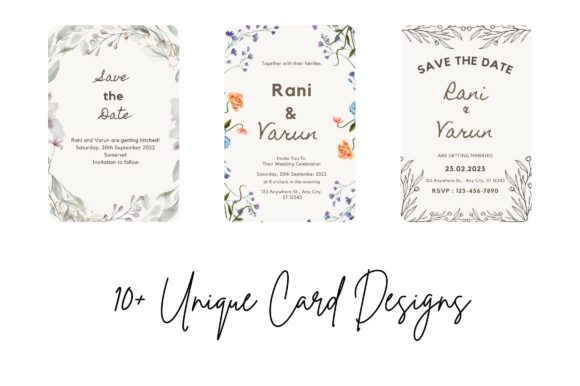
The initial mood created by these templates is one of elegant simplicity. They feel designed for clarity and romance, which are essential traits for wedding-related merchandise. Unlike some overly ornate designs that get lost in the fabric texture, these layouts seem to prioritize balance. The visual personality suggests a project that belongs in a boutique setting or as a cherished personal gift. However, the transition from a digital invitation to an embroidered piece requires careful consideration of stitch types and fabric choices.
From Screen to Stitch: A Real-World Scenario
Let me walk you through a specific situation where I tested the viability of this design. I was preparing a custom line of bridal shower gifts for a local client. The goal was to create a set of embroidered kitchen towels and tote bags that felt cohesive with the wedding theme without looking like cheap promotional items. I selected the Premium Wedding Invitation Templates as the base for the embroidery files, intending to adapt them for a satin stitch border with running stitch details.
On the computer, the layout looked perfect. But once I loaded the design onto the machine, the reality set in. For the tote bag project, the design worked beautifully. The open spaces allowed for a clean background, letting the embroidery stand out against the canvas. The customer loved the finished product; it felt substantial and professional. However, when I attempted to use the same design on a baby onesie, I had to make significant adjustments. The fine details in the template, while stunning digitally, risked merging together on such a small scale unless I reduced the stitch density significantly.
This experience highlighted a crucial truth about using these Graphics for embroidery: the medium changes the message. What looks crisp on a monitor can become a muddy blob on stretchy knit fabric if the stitch count isn't optimized. In my case, the design shined when applied to structured items like aprons and pillow covers, where the fabric provides a stable foundation for the stitches.
Where This Design Shines in Embroidery Projects
The Premium Wedding Invitation Templates excel in projects that demand a sense of occasion and permanence. Because the original design focuses on clear typography and balanced composition, it translates exceptionally well to larger surface areas. Here is where I recommend applying this design for maximum impact:
- Custom Apparel and Sweatshirts: On heavyweight cotton sweatshirts, the design holds its shape well. It creates a sophisticated look for "bride-to-be" apparel or wedding party gifts. The negative space allows for creative thread color combinations that pop against dark fabrics.
- Tote Bag Designs: These are ideal for wedding favors or bridal showers. The sturdy nature of canvas or twill supports the weight of the stitches, ensuring the design doesn't pucker over time.
- Holiday Embroidery and Gifts: While marketed for weddings, the aesthetic works perfectly for anniversary gifts or even holiday-themed personalized items. You can swap the text or colors to fit any celebration.
- Boutique Branding: Small shop owners can use this as a watermark or logo element on tags and hangtags. When stitched onto leather patches or fabric labels, it adds a layer of authenticity that customers appreciate.
- Nursery Decor and Baby Items: With minor scaling down, the design fits well on blankets and bibs. The soft lines complement the gentle vibe of nursery decor.
Caution Zones: Where to Think Twice
Not every application is a winner. As an experienced reviewer, I must warn you about specific scenarios where the Premium Wedding Invitation Templates might struggle. If you are working with small hoop sizes, be extremely cautious. Tiny lettering or intricate flourishes can disappear entirely when compressed into a 4x4 inch area.
Textured fabrics are another pitfall. If you try to embroider this directly onto a rough burlap or a highly textured linen without proper stabilizer, the definition of the design will be lost. Similarly, thin fabrics like chiffon or lightweight polyester blends require a heavy-duty stabilizer to prevent puckering. Without it, the tension of the machine embroidery design could distort the garment.
Curved surfaces, such as caps and hats, present their own challenges. The flat layout of the invitation template may not account for the curvature of a baseball cap brim. You might find the text stretching unnaturally at the edges. Additionally, dense stitch areas within the design could cause issues on stretchy fabrics, leading to wrinkles that ruin the polished look of the finished product.
Impact on Product Value and Customer Trust
Using high-quality design assets like these templates directly influences how your customers perceive your brand. A well-executed embroidery job signals professionalism and care. When a buyer receives a personalized gift with a clean, sharp design, they trust the quality of the entire item. Conversely, a design that looks pixelated or has loose threads can undermine the value of a handmade product.
The Premium Wedding Invitation Templates offer a level of polish that helps elevate simple items into premium products. Whether you are an Etsy seller listing custom pillows or a craft fair vendor selling embroidered patches, the visual appeal of the design plays a huge role in buyer engagement. It suggests that attention was paid to detail, which justifies a higher price point and encourages repeat business.
Practical Designer Notes for Success
If you decide to integrate these templates into your workflow, here is my advice based on real-world testing. First, always test the design on scrap fabric before committing to your final project. This step is non-negotiable for catching issues with thread color contrast or stitch density.
Review the stitch density carefully. If the design feels too dense, consider breaking it up or reducing the fill percentage to ensure it lays flat. Confirm your hoop size matches the intended placement on the garment. Inspect small details closely; sometimes, what looks good in a mockup needs simplification for actual stitching.
Don't forget to check the licensing terms. Since these are editable digital files, verify whether you are allowed to sell finished items made from them. Some licenses restrict commercial use, which could put your small business at risk. Also, compare light and dark fabric backgrounds to ensure the thread colors provide enough contrast. Using a black and white mockup can help you visualize the value of the design without the distraction of color.
Finally, remember that the success of your embroidery project depends on the stability of the fabric and the quality of the stabilizer used. Proper preparation is just as important as the design itself. By treating these Graphic Templates with respect and adapting them thoughtfully, you can create stunning, durable, and marketable finished products that your clients will love.